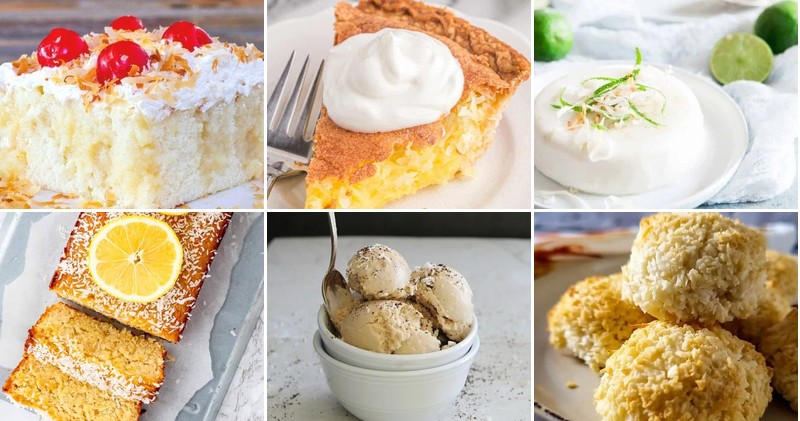
Escape to a sun-drenched paradise, no flight required! Just a whisper of sweet, nutty coconut in your kitchen can instantly transport your senses to pristine beaches and swaying palm trees. More than just a tropical fruit, coconut is a culinary chameleon, gracing an incredible array of desserts with its unique flavor and delightful texture. From creamy confections to chewy baked goods, the world of coconut desserts is vast and inviting, promising a taste of the exotic with every bite.
The Allure of Coconut: A Taste of Paradise
There's an undeniable magic to coconut. Its delicate sweetness, coupled with an earthy, nutty undertone and often a hint of vanilla, creates a flavor profile that is both comforting and exhilarating. This inherent versatility makes coconut an ideal companion for countless ingredients, allowing it to shine without overpowering. Whether it's the rich creaminess of coconut milk, the satisfying chew of shredded flakes, or the subtle aroma of coconut oil, each form brings its own dimension to the dessert landscape. It’s this adaptability that makes exploring coconut desserts such a rewarding culinary journey.
Understanding Coconut's Forms in Desserts
To truly master coconut in your dessert creations, understanding its various forms is key:
- Coconut Milk & Cream: These are the workhorses for achieving rich, velvety textures in puddings, mousses, ice creams, and cakes. Coconut cream, thicker and richer, is perfect for frosting or adding body, while coconut milk offers a lighter, yet still decadent, base. Look for full-fat varieties for the best flavor and texture in most dessert applications.
- Shredded/Desiccated Coconut: Available in sweetened and unsweetened varieties, this form adds essential texture and a concentrated coconut flavor. It's fantastic as a coating, a mix-in for cookies and cakes, or toasted for a fragrant garnish. Sweetened shredded coconut tends to be moister and softer, while unsweetened is drier and offers a purer, less sugary taste.
- Coconut Flour: A gluten-free and low-carb alternative, coconut flour is highly absorbent and adds a unique density and subtle sweetness. It requires significantly more liquid than traditional flours, so recipes must be specifically formulated for it. It's excellent for creating dense, moist cakes and brownies.
- Coconut Oil: A healthy fat that adds a very subtle coconut aroma, especially unrefined virgin coconut oil. It's excellent for greasing pans, binding ingredients in no-bake desserts, or adding moisture to baked goods. It can also be a fantastic vegan substitute for butter in many recipes.
Unearthing Culinary Gems: Diverse Coconut Dessert Creations
The beauty of coconut desserts lies in their incredible diversity. From classic staples to inventive new treats, there's a coconut creation to satisfy every craving. Many of these recipes are surprisingly simple, allowing even novice bakers to whip up a tropical delight.
Fudgy & Chewy Coconut Treats
Imagine a confection that melts in your mouth, rich with coconut and other delightful flavors. Indian-inspired coconut truffles, often resembling delicate fudgy spheres, exemplify this. These delightful bites, typically made with coconut, condensed milk, and nuts like cashews or almonds (cashew powder or almond flour are great for achieving that smooth texture), are then rolled in more desiccated coconut. The genius of such recipes often lies in their adaptability – one batch can yield multiple flavor experiences! Consider dividing the dough: infuse one half with rich cocoa and melted chocolate for a darker indulgence, while the other could sparkle with bright orange zest or a hint of cardamom for an aromatic twist. These treats are not just delicious but also present beautifully, making them perfect for gifting or a special occasion.
For those who adore a good bar cookie, coconut blondies are a revelation. These chewy, sweet squares offer a comforting texture and are often elevated by the magical touch of brown butter. Browning butter adds an intense, nutty, almost caramel-like depth that transforms a simple blondie into something extraordinary. The key is patience: melt the butter gently over medium heat, stirring frequently, until the milk solids at the bottom turn a deep golden brown and release a fragrant, nutty aroma. Be vigilant, as it can go from perfect to burnt in a flash! Combined with the sweetness of coconut, these bars become an irresistible mid-day snack or a delightful dessert that truly showcases the versatility of coconut desserts.
Cloud-Like Macaroons, Truffles, and Moist Cakes
When it comes to simplicity and sheer delight, easy coconut dessert recipes like macaroons are champions. Not to be confused with the French "macarons," these chewy, sticky mounds are incredibly straightforward to make. Often requiring just a handful of ingredients like whipped egg whites, honey (or sugar), vanilla, salt, and, of course, a generous amount of shredded coconut, they bake up into golden, delicate cookies. Once cooled, a drizzle of rich dark chocolate can elevate them further, adding a delightful contrast in flavor and texture. For a more sophisticated twist, consider adding lime zest or a touch of rum extract to the macaroon mixture.
Beyond macaroons, the world of truffles offers another elegant avenue for coconut. While dark chocolate truffles are a classic, the pure, pristine beauty of all-white coconut truffles is truly captivating. Made with a simple white chocolate ganache, the trick to achieving the perfect rollable truffle lies in the cream-to-chocolate ratio. More chocolate means a firmer set, ideal for shaping, while more cream yields a softer, melt-in-your-mouth experience. To infuse even more tropical flair, you might consider replacing a small portion of the cream with tangy passion fruit puree, and then rolling the finished truffles in finely toasted coconut flakes for an added layer of flavor and crunch.
No discussion of coconut desserts would be complete without mentioning cakes and cupcakes. Imagine delicate, fluffy coconut cupcakes or a show-stopping coconut cake, rich with the unmistakable flavor. Achieving ultimate moistness often involves a double dose of coconut: using both coconut cream in the batter and shredded coconut in the crumb. This dual approach ensures a deeply infused flavor and a delightful texture. Toasted coconut sprinkled on top adds a textural contrast and intensifies the aroma. These cakes can become a canvas for holiday cheer, like a festive winter wonderland creation adorned with a generous coating of tangy cream cheese frosting and more snowy coconut flakes. For those seeking gluten-free options, almond flour or even specialized coconut flour (if you can find it and adjust the liquid content) can make a fantastic substitution in many cake and brownie recipes, transforming them into delicious, allergy-friendly delights.
Tips for Mastering Coconut in Your Kitchen
Harnessing the full potential of coconut in your desserts often comes down to a few expert tips:
- Toast for Intensity: Always toast shredded coconut for a more pronounced, nutty flavor and a beautiful golden color. Spread it on a baking sheet and bake at 325°F (160°C) for 5-10 minutes, stirring occasionally, or sauté in a dry pan over medium heat until fragrant. Watch it closely, as it burns quickly!
- Quality Matters: For coconut milk and cream, opt for brands with minimal additives. Full-fat versions will always yield richer, more satisfying results in desserts.
- Balance Flavors: Coconut pairs beautifully with citrus (lime, lemon, orange), tropical fruits (mango, pineapple, passion fruit), vanilla, chocolate, and even a touch of spice like cardamom or ginger. Don't be afraid to experiment!
- Hydrate Coconut Flour: If using coconut flour, remember its high absorbency. It typically requires a lot more liquid than wheat flour, so follow recipes specifically designed for it or be prepared to adjust liquid content significantly.
- Chill for Success: Many coconut desserts, especially those with ganache or cream bases, benefit greatly from chilling. This allows flavors to meld and textures to firm up, making for a much better eating experience.
Crafting Your Tropical Escape: Beyond the Recipe
The beauty of coconut desserts extends beyond simply following a recipe. It's about inviting a sensory experience into your home, whether you're dreaming of distant shores or simply seeking a comforting sweet treat. Don't shy away from personalizing recipes; a dash of rum extract in a cake, a sprinkle of sea salt on coconut caramels, or a swirl of berry compote with coconut panna cotta can elevate your creations. Consider the presentation – garnishing with fresh fruit, edible flowers, or perfectly toasted coconut flakes adds visual appeal that matches the exquisite taste. Coconut isn't just an ingredient; it's an invitation to explore, create, and indulge in a little piece of paradise.
Ready to embark on your own tropical culinary adventure? The world of coconut desserts is waiting to be explored. From the comforting classics to innovative new delights, there’s a sweet, nutty, and versatile treat for every palate. Dive deeper into a treasure trove of inspiration with these Tropical Escape: 32 Coconut Desserts to Transport Your Taste Buds, and discover a whole host of Easy Coconut Dessert Recipes: Cakes, Truffles, & Macaroons that are sure to delight. Happy baking!
